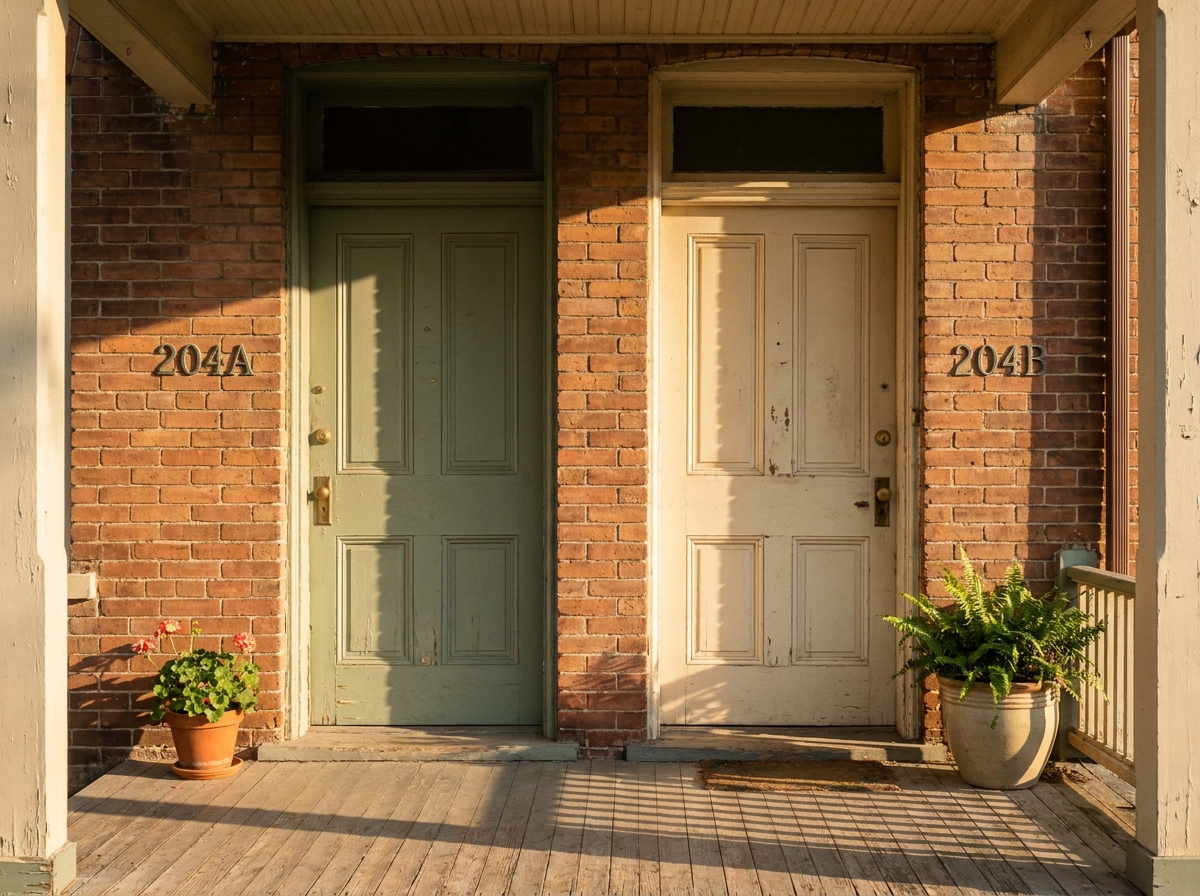
The Hidden Second Unit: Basement Apartments and ADUs
You don't need a duplex to house hack. Some of the best deals wear a single-family disguise — with a basement apartment or backyard ADU doing the quiet work.
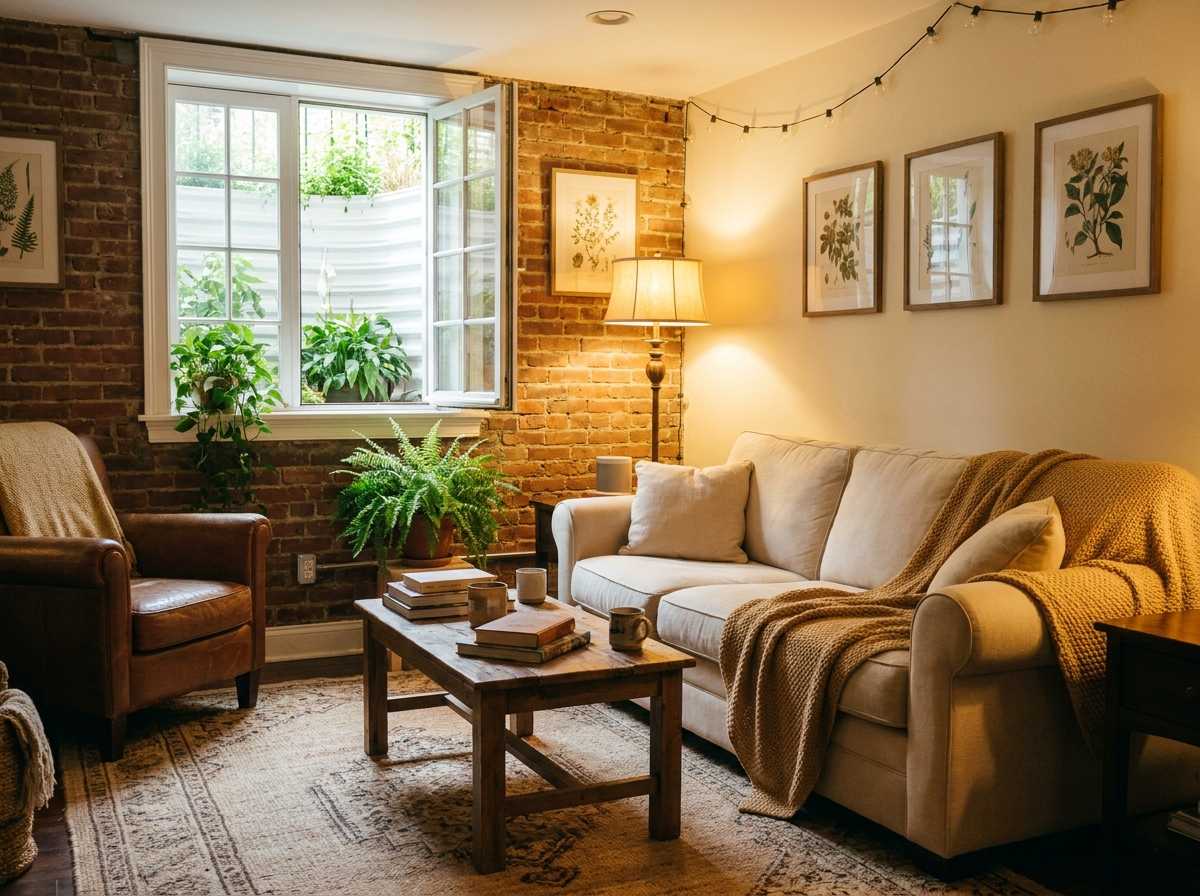
Duplexes get the headlines, but in most American neighborhoods they're outnumbered a hundred to one by single-family homes — and a growing share of those hide a second unit in plain sight: a basement apartment, a garage conversion, a backyard cottage. Cities spent the last decade loosening the rules on accessory dwelling units, and 2026's zoning maps are the friendliest a house hacker has ever seen.
Legal, legalizable, or neither
The first question about any second unit isn't the rent — it's the paperwork. A legal unit has permits, a certificate of occupancy, and a file at city hall. A legalizable one could get there with money and inspections. The third kind — the "in-law suite" with a hot plate and a wink — isn't a discount. Insurers can deny claims on it, lenders won't count its rent, and a single neighbor's complaint can end the income overnight.
Call the city's planning desk before you offer. Ask what's on file for the address, what the current ADU ordinance allows, and whether a legalization or amnesty program exists. It's a dull phone call that has saved more house hackers than any inspection.
What doing it right costs
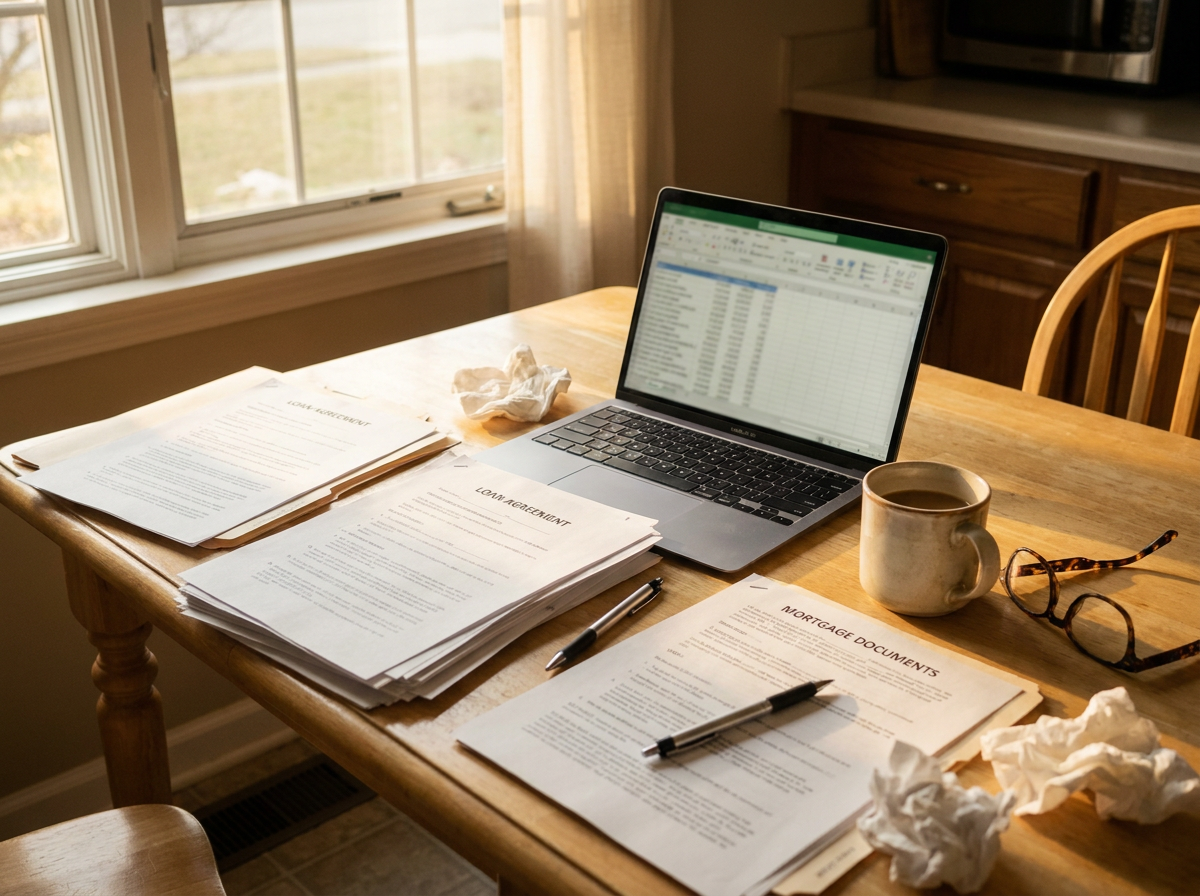
The recurring requirements are physical and blunt: a separate entrance, legal egress from every sleeping room, minimum ceiling heights, ventilation, and sound separation you can genuinely live above. If a unit needs work to get legal, price the work like part of the purchase — the conversion budget belongs in the same worksheet as the down payment, because the mortgage doesn't care which one drains the account.
What it actually rents for
Below-grade and backyard units rent at a discount to the same square footage upstairs — light and ceiling height are real amenities, and honest pricing admits it. But these units attract a real market: single renters and couples who'd take a private entrance on a quiet street over a hallway of neighbors every time. Price to the discount and the unit stays full. Price to your mortgage's feelings and it won't.
A legal second unit is the rare renovation that pays twice — once in rent, once at appraisal. Just do it in that order: paperwork, then drywall, then tenants.