The Duplex Walkthrough: What to Look For
We walked nineteen two-families before we offered on one. Here's the checklist that survived — the one that looks past the staging to the building underneath.
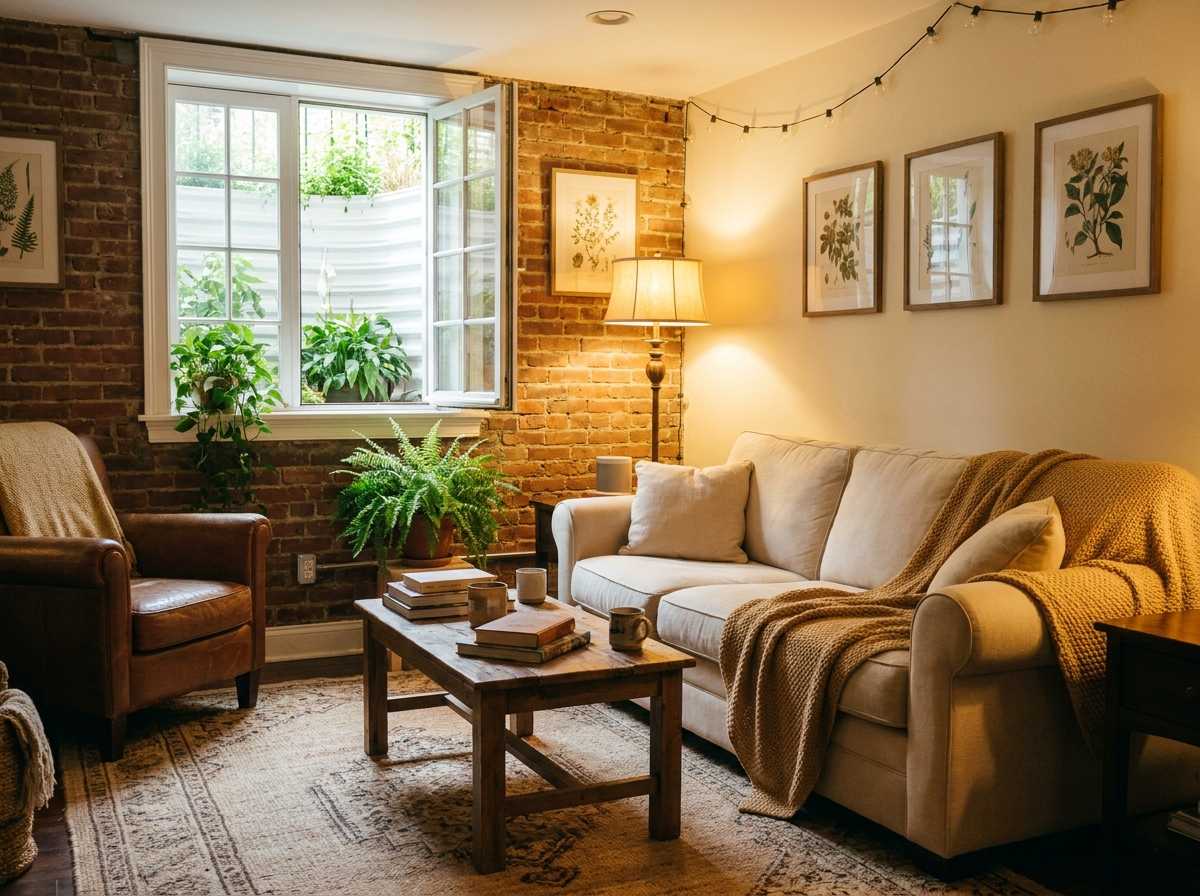
A duplex showing is theater. The owner's unit gets the fresh paint and the good lamps; the systems that will actually decide your next decade live in the basement, behind the panel covers, and between the floors. You can see everything that matters in forty-five minutes — if you know where to stand.
Start outside, and count to two
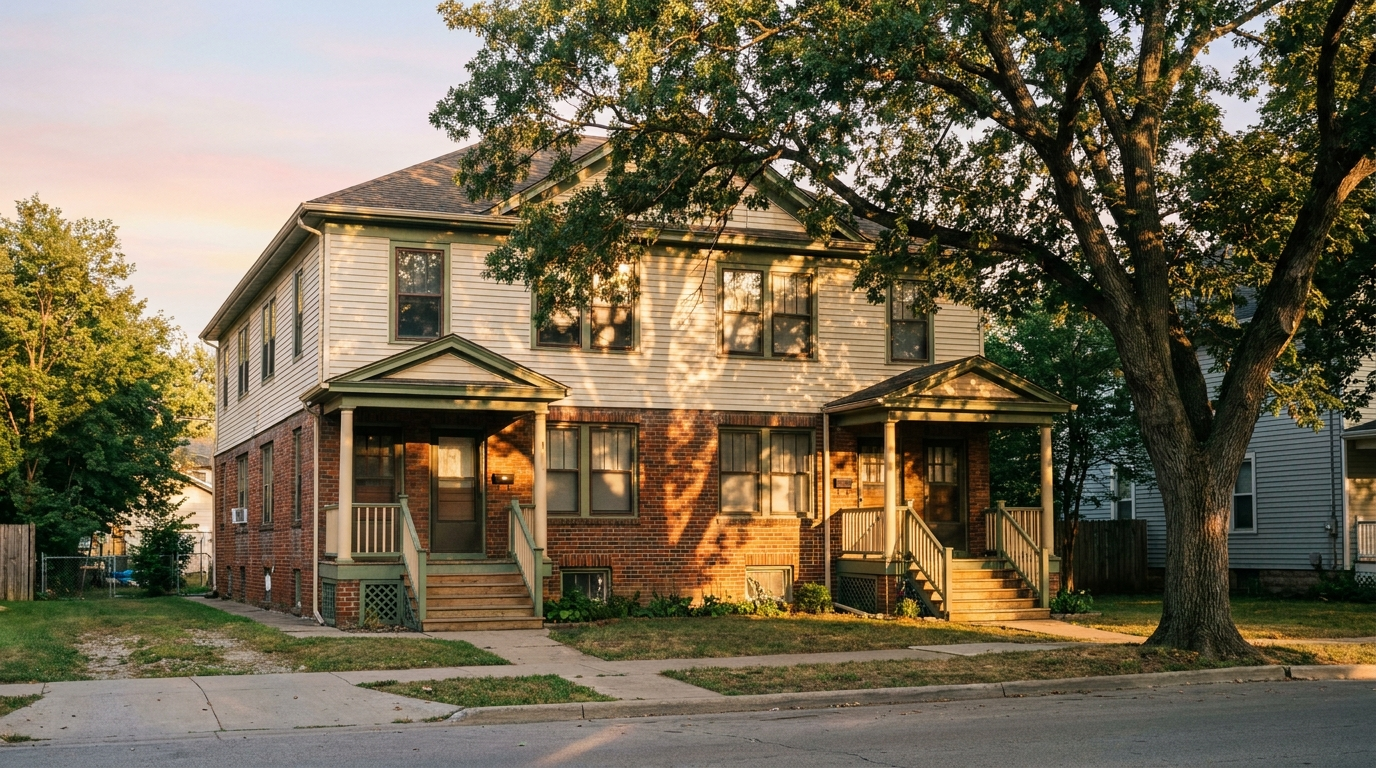
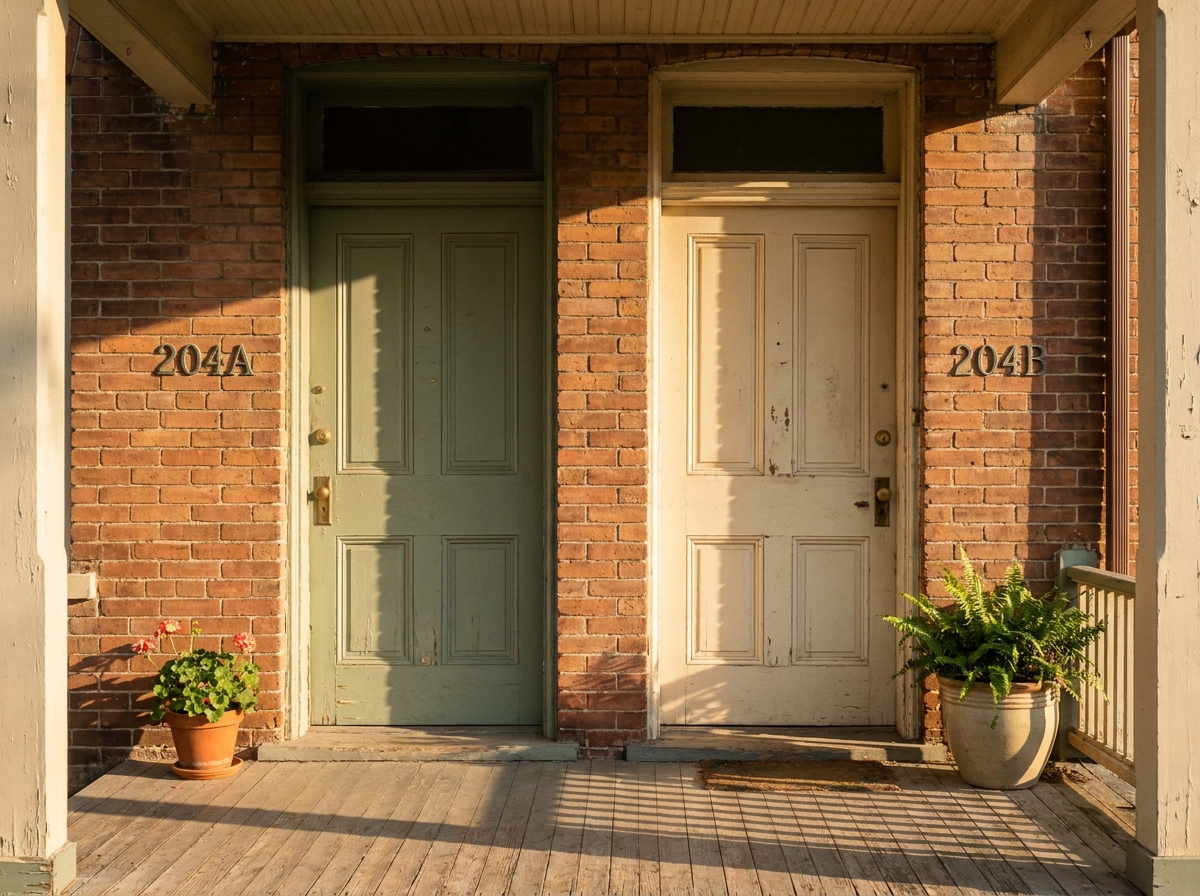
Before the front door, walk the perimeter. Count the electric meters, the gas meters, the water shutoffs. Two of everything means the units are truly separate — tenants pay their own utilities, and you never argue over a thermostat. One furnace and one meter isn't a dealbreaker, but it moves money onto your side of the ledger every month, and it belongs in your math, not your hopes.
While you're out there: the roofline, the gutters, where the water goes. A duplex is one roof over two incomes. It fails just once, for everyone.
The basement tells the truth
The listing says "updated." The basement says when, and how honestly. Read the furnace's service stickers, find the water heater's date plate, and open the electrical panel — knob-and-tube wiring or a rat's nest of double-taps means an electrician's opinion before an offer, not after. Original plumbing stacks in a 1920s two-flat aren't rare, and they aren't fatal. Unbudgeted, they're both.
Listen to the building
Have someone walk the upstairs unit — normal steps, not tiptoe — while you stand below. What you hear is what your tenant hears, or what you'll hear from your tenant. Sound is the roommate nobody mentions at showings, and it ends more owner-occupied leases than rent ever does.
Then judge the rental unit like a renter with options: light, storage, a bedroom that fits a real bed, laundry that doesn't involve a stranger's basement. The unit you won't live in still has to win somebody's Tuesday-night apartment search.
If it's occupied, buy the paper too
An occupied unit means you're buying a lease, not just a floor. Ask for the actual lease, the actual rent, the deposit, and an estoppel letter confirming the tenant agrees with all three. Inherited below-market tenants aren't a flaw — they're a known number, which is more than a vacant unit's "projected rent" can say. Just make sure your offer is priced on the rent that exists, not the one the listing imagines.
The one we bought wasn't the prettiest of the nineteen. It was the one with two of everything, a boiler younger than our lease, and a second unit we'd have happily rented ourselves. The lamps, it turns out, come with you.