Your First Tenant: Screening, Leases, and Living Next Door
House hacking makes you a landlord whose commute to the rental is a staircase. Here's how to pick a tenant fairly, write a lease you'll both actually read — and stay neighbors afterward.
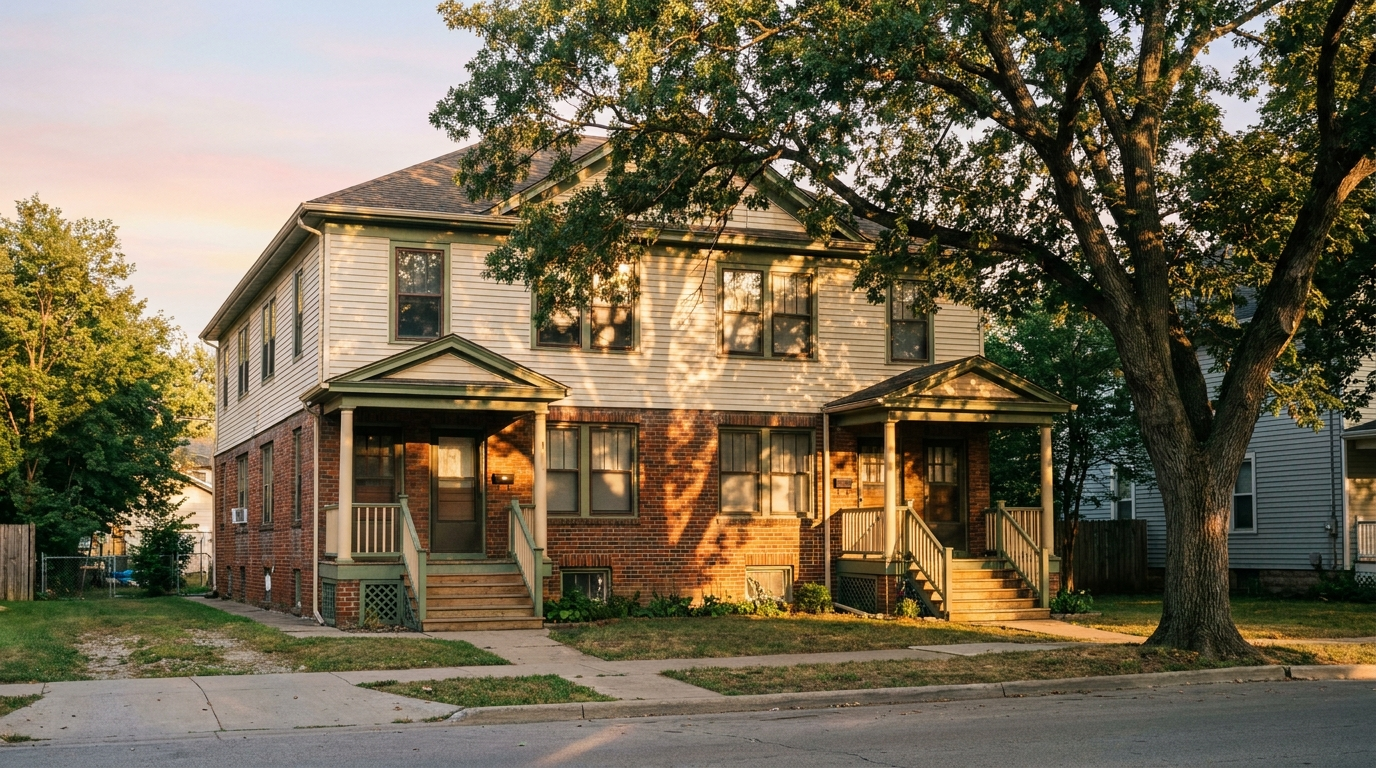
The day your listing goes live, you stop being a buyer who did clever math and become somebody's housing. That's a real responsibility with real rules — and, done with some warmth, it's also the pleasant part of house hacking: a good tenant is just a neighbor who pays the better half of your mortgage.
Price it fairly, then screen everyone the same way
Set the rent from comparable listings, not from what your worksheet wishes. An honest price fills the unit in days and selects for tenants with options — which is exactly who you want choosing your building.
Then write your criteria down before the first showing: income around three times the rent, a reference from a previous landlord (the current one has an incentive to say anything), and a credit history read as a pattern, not a verdict. Apply the same list, in the same order, to every applicant. That consistency isn't just fair-housing law — though it is the law — it's also the only defensible way to say no.
A lease you'll both actually read
Use your state's standard lease as the spine, then write the house rules in plain English: what's included, who shovels, where the quiet hours land when the landlord's bedroom shares a ceiling with the tenant's kitchen. Walk the unit together on day one with a camera and a condition checklist, and hand over a copy. Most deposit disputes die right there, in the photos.
Living next door
Proximity is the house hacker's advantage and its trap. Fix things fast — a landlord upstairs who responds in hours is worth real money to most tenants, and they'll stay years for it. But keep the relationship professional: rent by bank transfer or a payments app rather than doorstep small talk, raises rare and announced early, and proper written notice even when you could just knock.
And keep the reserve funded — the honest budget's 8% — so the water heater's death is an invoice, not a rent-week crisis. Calm landlording is mostly a solvency trick.
Our first tenant stayed four years, paid on the first, and left the unit better than the photos. That isn't luck. That's a fair price, a plain lease, and a fixed faucet — three things entirely within your control.