The Honest Budget: Vacancy, Maintenance, and the Numbers Nobody Likes
Two line items separate an estimate from a sales pitch. Here's why our calculator refuses to let you delete them.
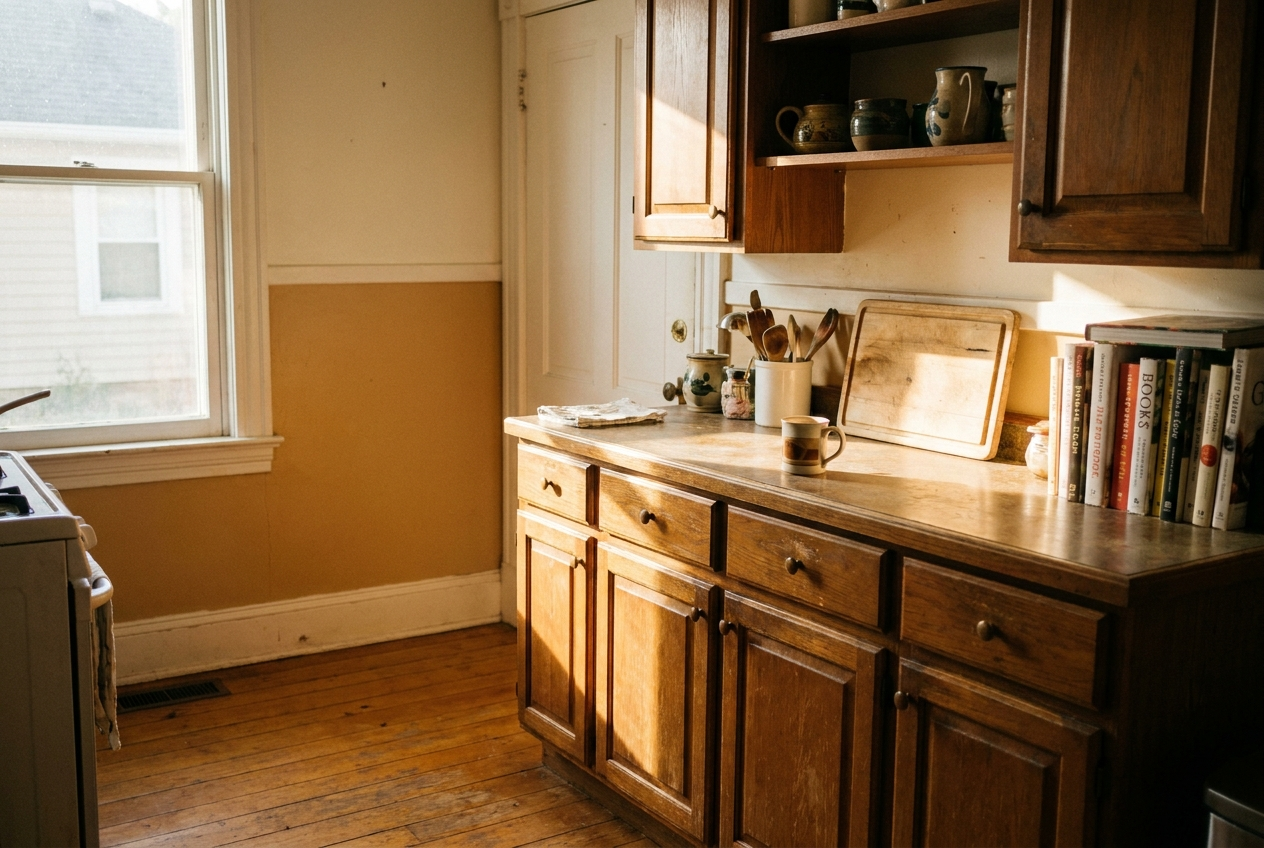
Every optimistic house-hacking spreadsheet dies the same way: not from the mortgage, which is printed on the loan estimate, but from the two lines that never send a bill — vacancy and maintenance. They're the difference between a projection and a hope, and they're why our calculator ships with both switched on.
Vacancy: five percent is just arithmetic
A 5% vacancy allowance is about eighteen days a year. One tenant turnover — notice, paint, listing, showings — spends that in a single summer, even when everything goes right. Budgeting zero doesn't mean your unit will always be full; it means the empty month, when it comes, lands on your groceries instead of your worksheet.
The allowance also buys you patience. A landlord with a funded vacancy line can wait a week for the right applicant. A landlord without one takes whoever shows up first — and usually pays for it much longer than a week.
Maintenance: eight percent, spent or not
We default the reserve to 8% of rent, moved monthly into an account that isn't your checking. Because the big costs aren't monthly: a water heater lives about twelve years, a furnace twenty, a roof twenty-five. Own the building long enough and every one of those dates comes due. The reserve doesn't prevent them — it demotes them from crisis to invoice.
Older building, older systems, higher percentage. A 1920s two-flat with original everything is not an 8% building, and pretending otherwise just moves the truth to a worse month.
Break-even rent, and how to read your own results
The calculator reports a number called break-even rent — the rent at which, after the vacancy allowance, the building covers itself entirely. It's the deal's whole posture in one figure. If break-even sits comfortably below what the unit honestly rents for, you have margin. If the deal only works at the listing agent's "projected rent," you're buying the projection, not the building.
Before you offer, run the gloomy version: rate half a point higher, one extra vacant month, rent 10% lighter. A good deal survives it bruised. A bad one only ever worked in the sunshine.
None of this is pessimism — it's the opposite. An honest budget is what lets you say yes with a straight face, sleep through the first vacant week, and greet the plumber like a scheduled guest. The numbers nobody likes are the ones that keep the whole thing standing.