Finding Your First Duplex
Search strategies, the red flags that kill deals, and negotiation tactics that actually work on two-to-four-unit properties.
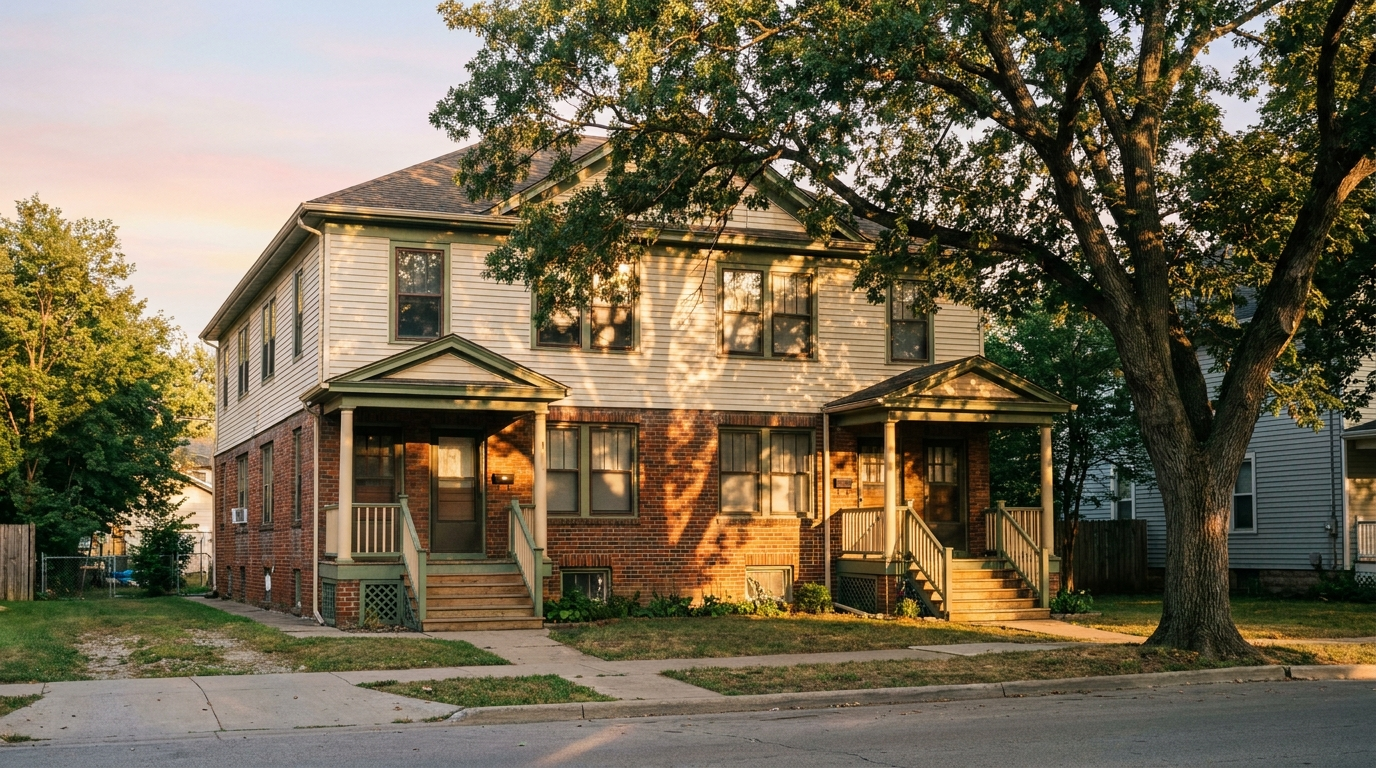
Small multifamily is a different hunt than a single-family home. There are fewer of them, they move on their own logic, and half the good ones never look good in photos. Once you've decided a house hack is the plan and picked a market, the job is to find the specific building whose numbers work — and to walk away from the twenty that don't. Here's how to run that search without losing a year to it.
Where the deals actually are
Start with the obvious — the big portals with a "multi-family" filter — but don't stop there, because that's where every other buyer is too. The two-to-four-unit market rewards people who look one layer deeper:
Search channels, in order of leverage
- An agent who works small multifamily. The single highest-leverage move. They see pocket listings, know which two-flats have separate utilities, and can spot a self-sufficiency problem before you write.
- Set up instant alerts for 2–4 units in your target neighborhoods. Speed wins; the good ones are gone in days in tight markets.
- Older listings. A duplex sitting 60+ days often has a fixable flaw and a motivated seller — exactly your kind of deal.
- Drive the neighborhoods. Two mailboxes, two meters, two doors. Note addresses and have your agent check status; some owners sell to the first polite letter.
Red flags worth a hard no
Most first-timers overweight cosmetics and underweight the things that cost real money. Reverse it. A dated kitchen is a Saturday; these are not:
| Red flag | Why it matters |
|---|---|
| One meter for all units | You eat the tenant's utilities every month, or face a costly separation. Price it in. |
| Unpermitted "third unit" | Its rent won't count for financing, insurance can deny claims, and a complaint can end the income. |
| Knob-and-tube / overloaded panel | An insurance and safety problem — get an electrician's number before you offer, not after. |
| Grading / water toward the foundation | Chronic basement water is expensive and recurring. Walk the perimeter after rain if you can. |
| Wildly "projected" rents | If the deal only works at rents nobody is paying yet, it doesn't work. |
For the full walk-through routine, see The Duplex Walkthrough — it's the checklist that survives contact with a real showing.
Read the comps like an underwriter
Two-to-four-unit comps are thinner than single-family, so widen your net thoughtfully: recent sales of similar unit counts within a mile, adjusted for condition and separate-utility status. Just as important is the rent comp — pull three real listings for a unit like the one you'll rent, in the same few blocks, and use the conservative one. Your whole deal rests on that number, so don't borrow the listing agent's optimism.
Negotiating a small multifamily
You have more leverage than you think, because your competition is thinner — investors walk when the cap rate doesn't pencil, and most retail buyers won't touch a two-flat at all. Use it with discipline:
Tactics that work on 2–4 units
- Lead with a clean pre-approval. On FHA/VA offers, a lender letter and a confident agent settle a seller's nerves faster than an extra few thousand dollars.
- Negotiate on the inspection, not just the price. A credit for the panel or the roof is often easier to win than a headline discount — and it's cash you'd have spent anyway.
- Price to the rent that exists. If a unit is occupied below market, that's your leverage, not the seller's; you're buying today's income.
- Ask for the estoppel and leases in diligence. Verifying the actual rent and deposits protects you and quietly signals you know what you're doing.
- Be ready to walk. The discipline to pass on nineteen is what gets you the twentieth at the right number.
The building you want is rarely the prettiest listing; it's the one with two of everything, honest rents, and a flaw you can price. Run every candidate through the same conservative math, keep your reserves funded, and let the twenty no's protect the one yes. Then get a house-hack-fluent agent to help you close it.